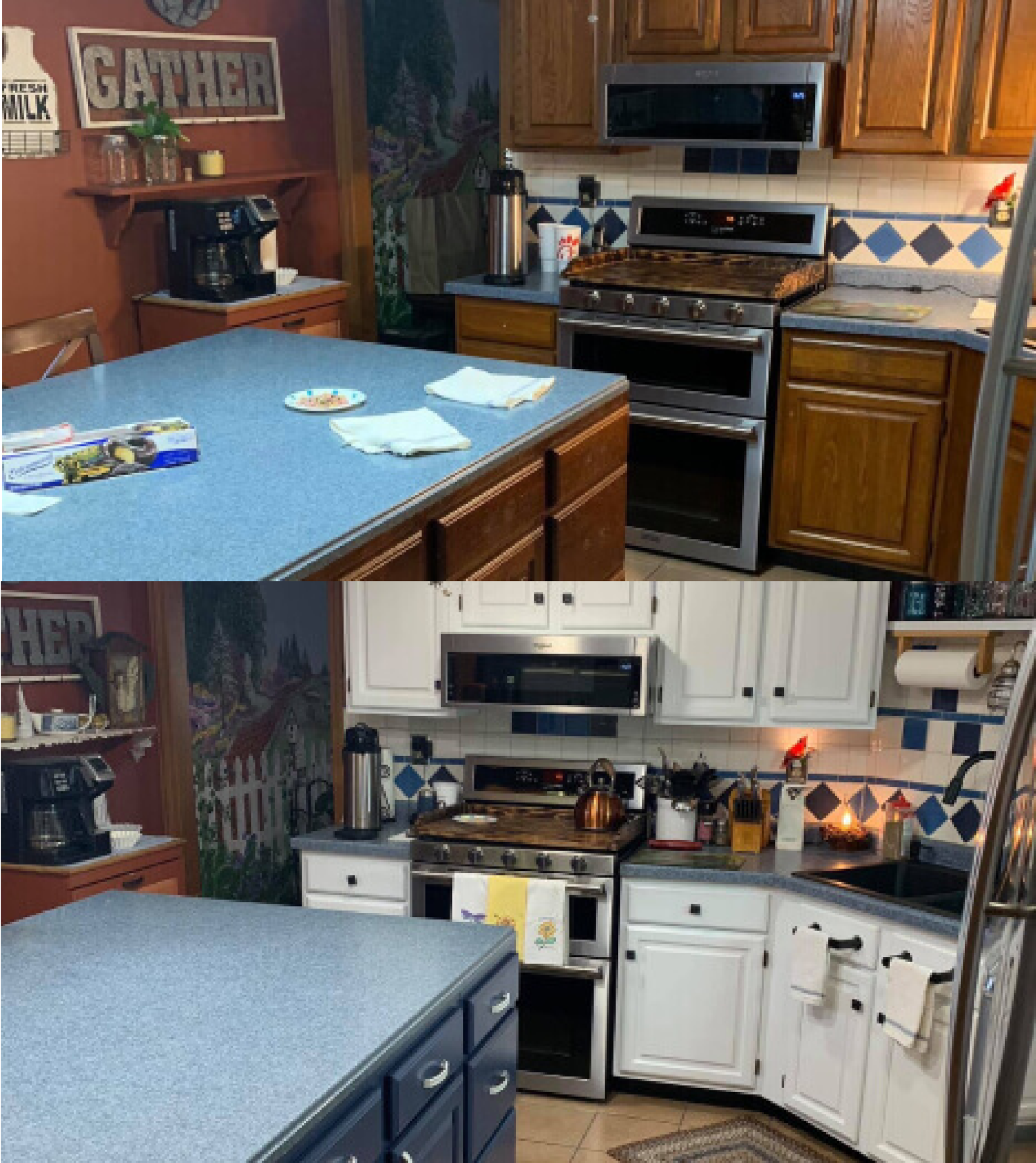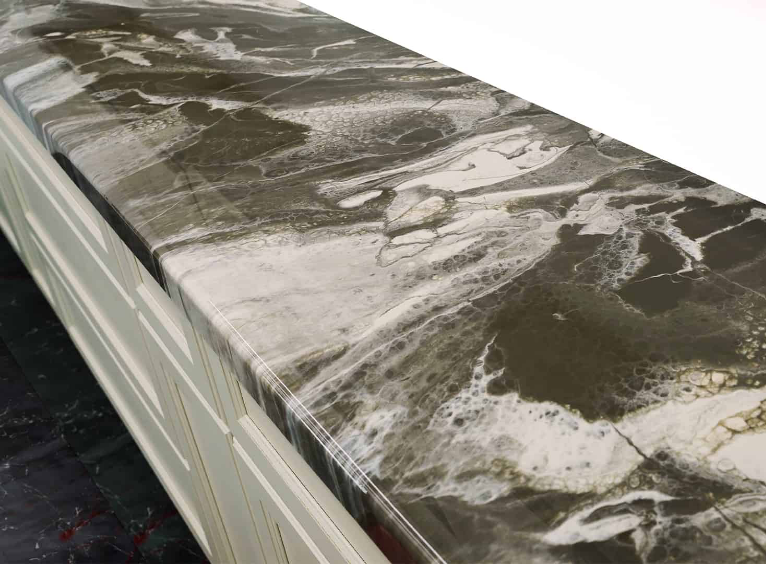

Granite countertops are one of the most desirable features in any kitchen or bathroom. However, years of daily use can leave even premium surfaces looking worn, scratched, stained, or dull. For homeowners and property managers searching for granite worktops Lafayette IN, replacement often seems like the only solution—but that’s rarely the most cost-effective option.
Professional granite resurfacing can restore the appearance, performance, and value of existing stone surfaces while avoiding the disruption and expense of a full renovation. Whether you’re preparing a property for sale, updating a rental unit, or refreshing your family kitchen, resurfacing offers an efficient path forward.
At CDH Resurfacing, we help Lafayette-area homeowners and property managers extend the life of their existing surfaces through professional refinishing and restoration services. The result is a renewed appearance, improved durability, and significant savings compared to replacement.
Ready to explore your options? Schedule Now
Let’s dive in…
Key Takeaways About Granite Worktops Lafayette IN
• Granite resurfacing costs significantly less than full replacement.
• Surface damage often affects appearance before structural integrity.
• Professional refinishing can restore shine and uniform color.
• Resurfacing minimizes demolition and project downtime.
• Property managers benefit from faster turnover times.
• Proper maintenance extends resurfaced granite lifespan.
• Modern refinishing techniques improve stain resistance.
• Professional restoration helps preserve property value.
Why Homeowners Are Choosing Granite Worktops Lafayette IN Resurfacing
Granite remains one of the most durable countertop materials available, yet durability does not make it immune to wear. In homes throughout Lafayette, granite worktops experience constant exposure to heat, moisture, cleaning products, food acids, and daily traffic. Over time, these factors can gradually diminish the surface’s original appearance.
Many homeowners notice that their granite no longer reflects light evenly. Small scratches begin accumulating across frequently used sections of the countertop. Water spots become more visible. Certain areas may appear faded while others retain their original gloss. These issues often create the impression that replacement is necessary.
In reality, most granite surfaces remain structurally sound long after cosmetic wear appears. The underlying stone continues to provide strength and functionality. The visible deterioration is usually concentrated on the finish layer and exposed surface.
Professional resurfacing addresses these concerns by restoring the appearance of the stone while preserving the existing installation. Rather than removing countertops, technicians repair imperfections, refine damaged areas, and restore a consistent finish across the entire surface.
For Lafayette homeowners, this approach offers several practical advantages. The project typically requires less disruption than replacement. Existing cabinetry remains untouched. There is no need for demolition crews, disposal fees, or lengthy installation schedules.
Property managers also appreciate the ability to improve unit appearance without undertaking a complete renovation. A refreshed granite surface can significantly improve kitchen appeal while helping control maintenance budgets.
At CDH Resurfacing, granite restoration projects focus on delivering realistic improvements that enhance appearance and functionality. Instead of replacing quality stone prematurely, resurfacing allows property owners to maximize the value of their existing investment while achieving a cleaner, more updated look.
The result is a surface that feels renewed, performs reliably, and contributes positively to the overall appearance of the property.
Common Signs Your Granite Surface Needs Professional Restoration
Not every countertop issue requires immediate attention. However, recognizing early warning signs can help prevent more extensive deterioration.
Consider these common indicators:
- Persistent dullness despite regular cleaning.
- Noticeable scratching across high-use areas.
- Surface etching from acidic foods or cleaners.
- Uneven shine throughout the countertop.
- Staining that no longer responds to cleaning.
- Minor chips around edges and corners.
- Areas that absorb water quickly.
- Visible wear near sinks and cooking zones.
Each of these issues typically develops gradually. Homeowners often adapt to the changing appearance until the countertop suddenly feels outdated or neglected.
The consequences extend beyond aesthetics. Surface damage can allow contaminants to penetrate more easily. Porous areas become more susceptible to staining. Uneven finishes can trap moisture and make cleaning more difficult.
Fortunately, professional resurfacing addresses many of these concerns before replacement becomes necessary.
The restoration process generally includes:
- Surface evaluation.
- Repair of chips and imperfections.
- Precision polishing.
- Refinement of worn areas.
- Restoration of gloss levels.
- Protective sealing.
These steps work together to improve both appearance and performance.
In Lafayette homes where granite serves as a focal point of the kitchen, maintaining a polished and consistent appearance contributes to overall property appeal. Potential buyers frequently notice countertop condition during showings, while tenants often associate surface quality with property upkeep.
Professional restoration can therefore support both personal enjoyment and long-term property value.
The key is addressing wear before deterioration becomes severe. Early intervention often produces the best results while minimizing costs and downtime.
Understanding the Cost Difference Between Resurfacing and Replacement
Budget remains one of the biggest considerations for homeowners evaluating countertop improvements. While every project differs, resurfacing consistently offers substantial savings compared to full replacement.
Replacement costs often include much more than the stone itself.
Typical replacement expenses may involve:
- Demolition labor.
- Removal and disposal fees.
- Plumbing disconnects.
- New material purchases.
- Fabrication costs.
- Transportation expenses.
- Installation labor.
- Potential cabinet modifications.
These costs can accumulate quickly, especially for larger kitchens.
Resurfacing avoids many of these expenses because the existing countertop remains in place. The focus shifts toward restoring and improving what already exists rather than starting from scratch.
Additional financial benefits include:
- Reduced project timelines.
- Less disruption to household routines.
- No demolition waste.
- Lower labor requirements.
- Preservation of existing cabinetry.
- Faster property turnover for rentals.
For property managers in Lafayette, these efficiencies can be particularly valuable. Shorter renovation periods mean units can return to occupancy sooner. Homeowners similarly appreciate avoiding lengthy construction projects.
Another important consideration is return on investment. While complete replacement may be necessary in cases of severe structural damage, many countertops simply need cosmetic restoration. Investing in resurfacing allows property owners to improve visual appeal without overspending on unnecessary replacement.
At CDH Resurfacing, every project begins with an evaluation designed to identify the most practical solution. In many cases, resurfacing delivers the appearance improvements homeowners seek while preserving a significant portion of their renovation budget.
If you’re evaluating options for aging granite worktops, understanding the true cost differences can help you make a more informed decision.

How Professional Granite Resurfacing Restores Appearance and Performance
A successful resurfacing project requires more than simply polishing the countertop. Professional restoration follows a systematic process designed to address both cosmetic and functional concerns.
The process generally begins with a thorough assessment of the surface condition. Technicians identify scratches, stains, chips, dull areas, and sections where protective sealing has deteriorated.
From there, restoration typically includes:
- Cleaning and contaminant removal.
- Surface preparation.
- Damage repair.
- Precision grinding when necessary.
- Multi-stage polishing.
- Finish enhancement.
- Protective sealing.
Each stage contributes to the final appearance.
Proper polishing helps restore the depth and reflective qualities that make granite attractive. Areas that previously appeared cloudy or faded can regain visual consistency. Surface repairs reduce the visibility of minor imperfections while improving overall uniformity.
Protective sealing plays an equally important role. Granite naturally contains microscopic pores that can absorb moisture and contaminants. Sealing helps reduce this vulnerability and supports easier maintenance moving forward.
Homeowners often notice additional benefits beyond aesthetics. Smooth, properly restored surfaces are easier to clean and maintain. Water resistance improves. Daily use becomes more manageable.
In Lafayette kitchens where granite serves as a central design feature, these improvements can significantly influence the overall perception of the space.
The goal is not to create unrealistic expectations or make old stone appear brand new. Instead, professional resurfacing focuses on maximizing the potential of existing materials and restoring a clean, attractive appearance that complements the surrounding environment.
When performed correctly, the results can provide years of continued service while delaying the need for major renovation expenses.
Maintenance Practices That Extend the Life of Resurfaced Granite
Even the best restoration work benefits from proper ongoing care. Consistent maintenance helps preserve appearance, protect the finish, and maximize long-term value.
Recommended practices include:
- Clean spills promptly.
- Use pH-balanced stone cleaners.
- Avoid abrasive scrub pads.
- Use cutting boards regularly.
- Place hot cookware on trivets.
- Wipe standing water near sinks.
- Follow sealing recommendations.
- Address chips quickly.
Many homeowners unintentionally shorten countertop lifespan through improper cleaning products. Harsh chemicals, acidic cleaners, and abrasive materials can gradually degrade protective finishes and dull the surface.
Routine care is generally simple. Most granite surfaces require only gentle cleaning and periodic inspection. Establishing these habits can significantly reduce wear over time.
Property managers overseeing multiple units benefit from providing maintenance guidelines to tenants. Simple instructions can help preserve resurfaced surfaces and reduce future repair needs.
In Lafayette homes, seasonal changes can also influence maintenance requirements. Increased humidity, heavy entertaining periods, and changing household routines may create additional wear patterns. Monitoring surface condition throughout the year allows small issues to be addressed before they become larger problems.
Professional evaluations can also help identify maintenance opportunities. Minor touch-ups performed at the appropriate time often prevent more extensive restoration work later.
By combining professional resurfacing with proper care, homeowners can extend the useful life of granite worktops while maintaining a cleaner and more attractive appearance.
Choosing the Right Granite Restoration Company in Lafayette, IN
Selecting a contractor should involve more than comparing prices. Experience, process quality, and local knowledge all influence project outcomes.
When evaluating providers, consider:
- Experience with granite restoration.
- Knowledge of stone refinishing techniques.
- Clear project explanations.
- Transparent estimates.
- Local reputation.
- Quality-focused workmanship.
- Realistic expectations.
- Responsive communication.
A qualified contractor should evaluate the condition of the surface before recommending a solution. Not every countertop requires the same approach, and accurate assessments help prevent unnecessary expenses.
Local experience matters as well. Companies familiar with Lafayette homes understand common surface conditions, property types, and homeowner expectations within the region.
At CDH Resurfacing, restoration recommendations are based on the specific condition of the existing surface rather than a one-size-fits-all approach. The goal is to provide practical solutions that align with each property’s needs and budget.
Homeowners should also ask questions about maintenance, expected outcomes, and project timelines. A reputable contractor will provide straightforward answers and help establish realistic expectations from the beginning.
Ultimately, successful resurfacing depends on combining quality materials, proper techniques, and experienced craftsmanship. When these elements come together, granite worktops can continue serving homes and properties for many years while maintaining a polished and professional appearance.
Frequently Asked Questions
Q: How much does granite worktops Lafayette IN resurfacing typically cost?
A: Costs vary based on countertop size, condition, and restoration requirements. Resurfacing is typically more affordable than full replacement and often eliminates demolition-related expenses.
Q: Can all granite worktops be resurfaced?
A: Many granite surfaces can be restored successfully. A professional inspection determines whether resurfacing is appropriate or if replacement is necessary.
Q: How long does resurfaced granite last?
A: With proper care and maintenance, professionally resurfaced granite can provide many years of continued performance and visual appeal.
Q: Is granite worktops Lafayette IN resurfacing disruptive?
A: Resurfacing generally causes far less disruption than replacement because existing countertops remain installed throughout the process.
Q: Do Lafayette homeowners choose resurfacing instead of replacement often?
A: Many homeowners choose resurfacing when the stone remains structurally sound but shows cosmetic wear, scratches, or dullness.
Q: Can resurfacing improve property value in Lafayette, IN?
A: Restored countertops can enhance visual appeal, improve first impressions, and contribute positively to perceived property value.
Q: Will resurfacing remove stains and scratches?
A: Many surface imperfections can be reduced or corrected depending on their severity and the condition of the stone.
Q: Is resurfacing a good option for rental properties in Indianapolis and Lafayette?
A: Yes. Property managers often appreciate the lower costs, shorter project timelines, and improved appearance resurfacing can provide.
Conclusion
If you’re researching granite worktops Lafayette IN, resurfacing may offer the ideal balance between appearance, performance, and affordability. Rather than replacing structurally sound stone surfaces, professional restoration can address wear, improve visual appeal, and extend the life of your existing investment.
For homeowners and property managers throughout Lafayette and Indianapolis, granite resurfacing provides a practical solution that minimizes disruption while maximizing value. Combined with proper maintenance, restored surfaces can continue serving your property for years to come.
With CDH Resurfacing, you may be able to save up to 30% while receiving qualified professional refinishing solutions tailored to your property’s needs.
Ready to improve your countertops? Start Your Refinishing Project Now