
Speak with your project consultant
Pool Resurfacing in Indianapolis, IN
We understand that your pool is an important part of your home, so our team will work with you to schedule your pool resurfacing project at a time that’s convenient for you.

Pool Resurfacing in Indianapolis, IN
If you’re lucky enough to own an Indianapolis, IN, home that has a pool, you’ll already be aware of the amount of pleasure it can bring – and the maintenance that comes with it. A simple fact of life when you own a pool is that you will have to resurface it eventually. You’ll need to resurface your pool for several reasons, ranging from aesthetics to necessity. For most Indianapolis, IN pools, the biggest reason is a dull, aged surface caused by years of harsh chemicals and sun fading.
Over time, the pool finish gets nicked and scarred due to wear and tear, as well as the elements. The weather in the Indianapolis, IN, area can be rough and take its toll on a pool. Maybe it’s getting hard to keep your pool clean because the dirt can settle into the pits of the old surface, or maybe you’re just noticing that the colors have faded and aren’t as beautiful as they once were. You may even notice that water levels can’t be maintained and that leaks appear to be happening around the pool. This is the perfect time to get your pool resurfaced.
Our certified craftsmen will water blast the old coating off of your concrete pool and apply a new durable coating that will last for years to come. Pool resurfacing is easy to overlook, but eventually, it will become a necessary step in keeping your Indianapolis, IN pool looking its best.
Pool Resurfacing Trends in 2024
As we move into 2024, several exciting trends are emerging in swimming pool resurfacing:
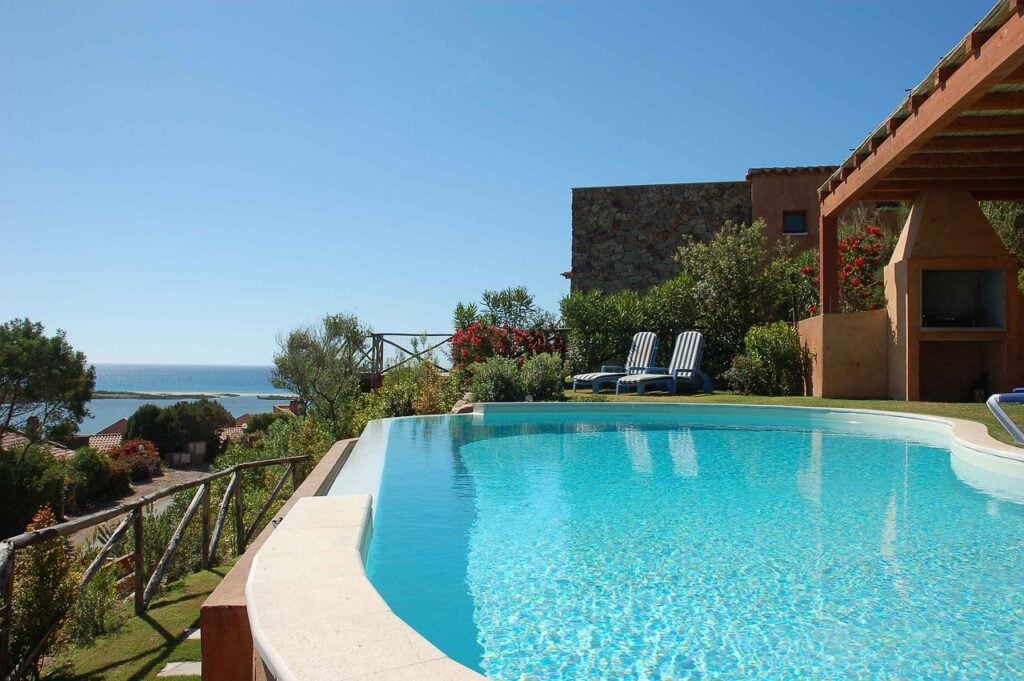
Eco-friendly materials
Smart technology integration
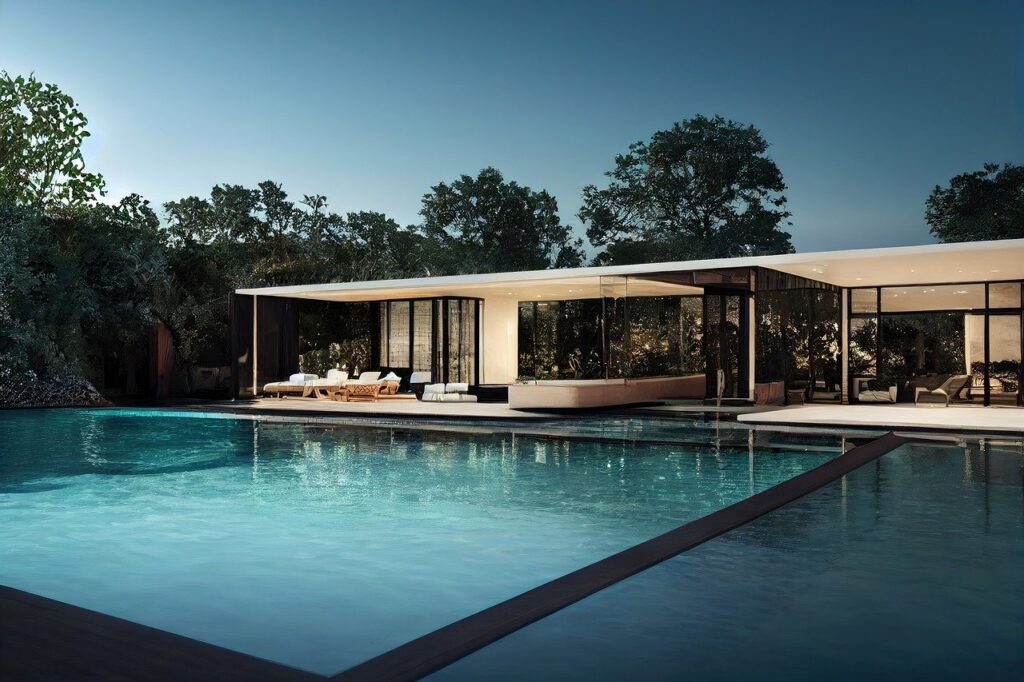
Ambient lighting
Customized wellness features
Why Invest in Pool Resurfacing?
No matter why you’re considering pool restoration or pool refinishing, the end result is worth it. Pool refinishing can also be done fairly quickly, making it an affordable path to pool restoration in Indianapolis, IN. If you want to improve your pool, refinishing is worth considering. Contact our team today to learn more.
01
Improve Home Value
Pool resurfacing can make it easier to sell your home and to get a better price. By undertaking a pool restoration project, you can get more from your home and increase its overall value.
02
Stop Leaks
Sometimes, pools just suffer issues. Pool restoration can stop leaks and prevent future problems from occurring, saving you money on costly repairs in the long run.
03
Improve the Aesthetics
Your pool is a place to relax and enjoy the Indianapolis, IN summers. Pool resurfacing can help you get a better experience. When you refinish a pool, you improve its look and feel and are able to enjoy it even more.
Testimonials
Pool Resurfacing in Indianapolis, IN
Hear from our satisfied customers who have experienced the quality and value of our products and services.
“I would highly recommend CDH for any of your resurfacing needs. Our family business has hired them for numerous jobs and they always do excellent work. Regardless of how bad the issue is they always get the job done quickly and of high quality. Lincoln was our technician today and he did an outstanding job. We will continue to use their services and I would recommend them to anyone.” – Mickey McGill
“Thank you CDH Resurfacing Solutions!! Your customer service has been top-notch from our project’s beginning to its end. This was our first experience with shower resurfacing and are VERY pleased with the results. Our technician, Lincoln, was able to answer ALL of our questions, explained the resurfacing process in depth, and kept us updated along the way. We appreciated his attention to detail and professionalism. We HIGHLY recommend CDH Resurfacing Solutions!” – Stacy Reif
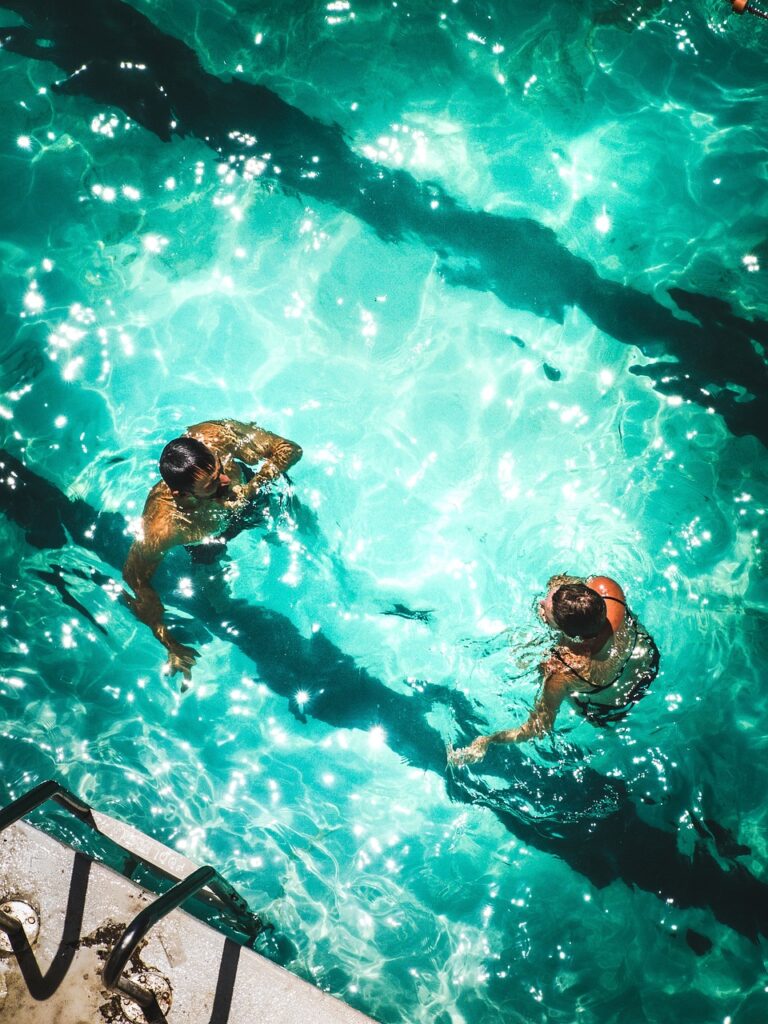

Introduction to Pool Resurfacing
What is Pool Resurfacing and Why It’s Necessary
Pool resurfacing, also known as pool refinishing, is the process of removing and replacing the existing finish or top surface layer of a swimming pool. This essential maintenance procedure helps preserve your pool’s longevity, improves its appearance, and ensures a safe swimming environment. By addressing these issues through resurfacing, you can restore your pool to its original condition and prevent more serious structural problems. Pool resurfacing becomes necessary when you notice signs such as:
Why Choose CDH Resurfacing for Your Pool Project
CDH Resurfacing stands out as a top choice for pool resurfacing in Indiana for several reasons

Expertise
With four generations of experience in the coatings business, CDH brings unparalleled knowledge to every project

Quality materials
CDH uses innovative, high-quality materials for durable and beautiful results.

Customization
They offer a wide range of finishes and features to suit your specific needs and preferences.

Efficiency
Most projects are completed quickly, minimizing disruption to your property.

Environmental responsibility
CDH prioritizes eco-friendly practices and materials.

Customer satisfaction
CDH Resurfacing’s commitment to treating clients like family ensures a positive experience from start to finish.
Swimming Pool Resurfacing Process
Total timeline: Typically 5-14 days, depending on weather conditions and project complexity. Understanding the pool resurfacing process is crucial for pool owners considering this important maintenance procedure, so let’s break down the steps, timeline, and key considerations for a successful pool resurfacing project.
Assessment 1-2 days
Pressure test to check for leaks. Evaluation of pool condition and resurfacing needs
Drain, Prep 4-5 days
Drain the pool completely. Remove the hydrostatic plug and install the sump pump if necessary. Prepare the surface by removing old finish material. Address any repairs or structural issues
Tile, Masonry 1-3 days
Install new waterline tile if desired. Complete any coping or decking work

Surface Prep 1-2 days
Apply a bond coat to ensure proper adhesion of the new finish. Seal plumbing and clean pool shell
New Surface 1-2 days
Apply the chosen finish material (plaster, aggregate, etc.). Smooth and texture the surface as needed
Curing, Filling 3-7 days
Allow the new surface to cure properly. Gradually fill the pool with water. Balance chemicals and start the filtration system
Pool Resurfacing Cost in Indiana
Understanding the costs associated with pool resurfacing is crucial for homeowners planning this important maintenance project. Let’s break down the key factors affecting costs, average prices in Indiana, and the long-term benefits of professional resurfacing. When it’s time to resurface your pool in Indiana, you must decide between tackling the project yourself or hiring a professional. Let’s explore your options and the important factors to consider when choosing a contractor.
Factors Affecting Pool Resurfacing Cost
Several elements influence the overall cost of pool resurfacing:
Pool size and shape: Larger pools and those with complex designs typically cost more to resurface due to increased material and labor requirements.
Current pool condition: Pools needing extensive repairs before resurfacing will incur higher costs.
Chosen finish material: The type of finish you select significantly impacts the price, with options ranging from basic plaster to high-end tile.
Labor costs can vary based on location and the job’s complexity.
Accessibility: Pools that are difficult to access may require additional equipment or labor, increasing costs.
Average Swimming Pool Resurfacing Cost in Indiana
Remember that these figures can vary based on local market conditions and the abovementioned factors. It is always best to get quotes from local contractors for the most accurate pricing. While specific data for Indiana isn’t provided in the search results, we can estimate based on national averages: The typical cost range for pool resurfacing is between $6,000 and $15,000. On average, homeowners spend around $11,000 for pool resurfacing.
Cost Comparison: Different Resurfacing Materials
Different resurfacing materials come with varying price points:
Plaster: The most economical option, costing a minimum of $10,000 for a medium-sized pool.
Aggregate finishes: These cost more than plaster but offer increased durability. Expect to pay a minimum of $13,000 for a medium-sized pool.
Tile: The most expensive option, with costs starting at $25,000 for a complete pool resurfacing.
Epoxy paint: A budget-friendly option that might cost around $1,500 when professionally applied.
EcoFINISH: A mid-range option costing between $10,000 to $13,000 for a small to medium-sized pool.
Long-Term Cost Benefits of Professional Resurfacing
By investing in professional pool resurfacing, you’re not just improving your pool’s immediate appearance and functionality. You’re also making a smart financial decision that can lead to significant savings over time. Remember to consider these long-term benefits when evaluating the initial pool resurfacing cost. While professional pool resurfacing may seem expensive initially, it offers several long-term cost benefits:
Increased durability: Professional resurfacing using high-quality materials can last longer, reducing the frequency of future resurfacing projects.
Reduced maintenance: A properly resurfaced pool is easier to clean and maintain, potentially lowering ongoing maintenance costs.
Improved safety: Professional resurfacing can address safety issues like rough surfaces or sharp edges, potentially preventing accidents and associated costs.
Enhanced property value: A well-maintained pool with a fresh surface can increase your home’s value, providing a return on investment if you sell.
Energy efficiency: Some modern pool finishes can help reduce water and chemical usage, leading to long-term savings on operating costs.
Warranty protection: Professional resurfacing often comes with warranties, protecting you from unexpected repair costs shortly.
DIY Pool Resurfacing vs. Professional Services
Unless you have significant experience with pool maintenance and construction, professional pool resurfacing is usually the safer and more cost-effective choice in the long run. While DIY pool resurfacing might seem cost-effective initially, it comes with significant risks and challenges:
Expertise: Professional contractors have years of experience and specialized knowledge.
Equipment: Professionals have access to industrial-grade tools and materials.
Time and effort: DIY projects often take longer and can be physically demanding.
Quality and longevity: Professional work typically lasts longer and looks better.
Warranty: Most professional services offer warranties on their work.
Choosing the Right Pool Resurfacing Contractor
When selecting a pool resurfacing contractor in Indiana, consider the following factors:
Experience: Look for contractors with a proven track record in pool resurfacing.
Licensing: Ensure the contractor holds a valid C-53 California Swimming Pool Contractors License.
Insurance: Verify that the contractor carries general liability and workers’ compensation insurance.
References: Ask for and check references from past clients.
Portfolio: Review their past work to ensure it meets your quality standards.
Warranty: Choose a contractor who offers a solid warranty on their work.
Communication: Select a contractor who communicates clearly and promptly.
Customization options: Ensure they can provide the specific finish and features you want.
Why Choose CDH Resurfacing for Your Pool Project
CDH Resurfacing stands out as a top choice for pool resurfacing in Indiana for several reasons:
Expertise: With four generations of experience in the coatings business, CDH brings unparalleled knowledge to every project.
Quality materials: CDH uses innovative, high-quality materials for durable and beautiful results.
Customization: They offer various finishes and features to suit your needs and preferences.
Efficiency: Most projects are completed quickly, minimizing disruption to your property.
Environmental responsibility: CDH prioritizes eco-friendly practices and materials.
Customer satisfaction: Their commitment to treating clients like family ensures a positive experience from start to finish.
Pool Resurfacing Regulations in Indiana
Professional contractors like CDH Resurfacing are well-versed in these regulations and can ensure your pool meets all necessary standards.
By carefully considering these factors and choosing a reputable contractor like CDH Resurfacing, you can ensure a successful pool resurfacing project that enhances your pool’s beauty, safety, and longevity while complying with Indiana’s regulations. When resurfacing your pool in Indiana, it’s crucial to adhere to state regulations:
Permits: Check with your local health department about necessary permits for pool resurfacing.
Materials: Use only approved materials that meet state safety and durability standards.
Safety features: Ensure all safety features, such as proper drainage and non-slip surfaces, are incorporated into the resurfacing project.
Inspections: Be prepared for potential inspections before, during, or after resurfacing.
Water quality: Following resurfacing, follow state water chemistry and filtration guidelines to ensure a safe swimming environment.
Benefits of Pool Resurfacing in Indianapolis
Pool resurfacing offers numerous advantages for both residential and commercial pool owners. From improved aesthetics to enhanced safety and eco-friendly options, let’s explore the key benefits of this essential pool maintenance procedure.
Pool Resurfacing for Residential Pools
Residential pool resurfacing can significantly improve your backyard oasis:
Increased usability: Resurfacing smooths out rough surfaces, making the pool more comfortable for swimmers.
Improved cleanliness: A new surface is easier to clean and maintain, reducing the buildup of dirt and debris.
Enhanced aesthetics: Resurfacing lets you update the pool’s appearance, potentially increasing your property value.
Cost savings: Regular resurfacing can prevent more expensive repairs down the line.
Leak prevention: Addressing minor cracks and damage during resurfacing can prevent costly water leaks.
Pool Resurfacing for Commercial Pools
Commercial pool resurfacing offers several benefits for businesses:
Improved safety: A smooth, even surface reduces the risk of accidents and injuries.
Enhanced user experience: A well-maintained pool encourages frequent use and improves customer satisfaction.
Regulatory compliance: Resurfacing helps ensure the pool meets local health and safety codes.
Increased property value: A well-maintained pool can make commercial properties more appealing to potential buyers or tenants.
Extended pool lifespan: Regular resurfacing can significantly extend the life of a commercial pool.
Eco-Friendly Pool Resurfacing Options
As environmental concerns grow, eco-friendly pool resurfacing options are becoming increasingly popular:
Mineral-based systems: These can transform your pool into a more sustainable, eco-friendly environment.
Energy-efficient coatings: Some modern pool finishes can help reduce energy consumption and maintenance needs.
Sustainable materials: Look for resurfacing options that use recycled or environmentally friendly materials.
Water conservation: Certain finishes can help reduce water evaporation, leading to less water waste.
Improving Pool Safety Through Resurfacing
Safety is a crucial benefit of swimming pool resurfacing:
Non-slip surfaces: Many modern pool finishes offer improved traction, reducing the risk of slips and falls.
Smooth edges: Resurfacing can eliminate sharp or rough edges that might cause injuries.
Improved visibility: Lighter-colored finishes can enhance underwater visibility, promoting safer swimming.
Chemical balance: A new surface can help maintain proper chemical balance, reducing skin and eye irritation.
Enhancing Swimming Pool Aesthetics and Value
By investing in swimming pool resurfacing, you’re improving your pool’s immediate enjoyment and ensuring its longevity, safety, and value for years to come. Whether you’re a homeowner or a commercial pool operator, the benefits of pool resurfacing make it a worthwhile investment in your property. Pool resurfacing can dramatically improve your pool’s appearance and increase your property’s value:
Updated look: Choose from various colors and finishes to give your pool a modern appearance.
Customization options: Add features like tanning ledges, beach entries, or built-in seating during resurfacing.
Increased home value: A well-maintained, attractive pool can boost your property’s market value by 5-8%.
Improved ambiance: A beautifully resurfaced pool enhances the overall aesthetics of your outdoor living space.
Lighting enhancements: Consider adding or updating pool lighting during resurfacing for a stunning nighttime effect.
Preparing Your Swimming Pool for Resurfacing
To ensure a smooth resurfacing process:
Clear the pool area of furniture, plants, and decorations
Provide clear access to the pool for equipment and materials
Inform neighbors about potential noise and dust
Ensure proper electrical connections are available for equipment
Discuss any specific concerns or requests with your contractor beforehand
Common Pool Resurfacing Problems and Solutions
Delamination:
Problem: New surface separates from the old substrate
Solution: Proper surface preparation and use of bond coat
Staining:
Problem: Discoloration of new surface
Solution: Proper water chemistry management and use of stain-resistant finishes
Cracking:
Problem: Cracks in new surface
Solution: Address underlying structural issues before resurfacing
Rough Texture:
Problem: Uneven or rough finish
Solution: Proper application techniques and material selection
Pool Surface Repair Techniques
For minor repairs without full resurfacing:
Patching: Use specialized underwater patching compounds for small cracks or chips
Acid Washing: Remove light staining and mineral buildup
Spot Treatments: Address localized issues with targeted repairs
Benefits of CDH Pool Resurfacing Process
By choosing CDH Resurfacing for your pool resurfacing needs, you can expect a smooth, efficient process that results in a beautiful, long-lasting pool finish. Our attention to detail and commitment to quality ensure that your pool will be ready for years of enjoyment. CDH Resurfacing offers several advantages in its pool resurfacing process:
Expertise: Experienced professionals ensure high-quality workmanship
Customization: Wide range of finish options to suit your preferences
Efficiency: Streamlined process minimizes pool downtime
Durability: Use of premium materials for long-lasting results
Comprehensive Service: From assessment to final filling, CDH handles all aspects of the resurfacing project
Types of Pool Resurfacing Materials in Indianapolis
When it comes to pool resurfacing, choosing the right material is crucial for aesthetics and longevity. Let’s explore the various options available and their unique characteristics.
Best Pool Resurfacing Materials
The best pool resurfacing material depends on your needs, budget, and preferences. Each of these materials has its own advantages in terms of durability, appearance, and maintenance requirements. Some popular and effective options include:
Plaster: A traditional and cost-effective choice.
Aggregate finishes: Durable and aesthetically pleasing.
Tile: Offers unlimited design possibilities and excellent durability.
Fiberglass: Smooth, low-maintenance, and gaining popularity.
Gunite Pool Resurfacing
Gunite pools, made of cement, sand, and water, can be resurfaced using various materials. One popular option is fiberglass resurfacing, which can provide several benefits:
Increased durability
Smoother surface
Reduced maintenance
Better resistance to stains and algae growth
Fiberglass Pool Resurfacing
Fiberglass pool resurfacing involves applying a new layer of fiberglass over the existing pool surface. The process typically involves removing the old gel coat, opening up any blisters, and applying a new layer of gelcoat to restore the pool’s appearance. This method offers several advantages:
Cost-effective: Requires fewer chemicals to prevent algae growth and stains
Durable: Avoids the need for replastering every 7 to 10 years
Low-maintenance: Easier to clean and maintain than other surfaces
Concrete Pool Refinishing
Concrete pools can be refinished using various materials, including plaster, aggregate finishes, or fiberglass. When refinishing a concrete pool, it’s essential to properly prepare the surface by removing the old finish and addressing any cracks or damage.
Pool Plaster Repair
Pool plaster can often be repaired without a full resurfacing for minor damages. For larger repairs or extensive damage, it may be necessary to consult a professional pool contractor. Here are some steps for pool plaster repair:
Clean and prepare the damaged area
Use a product like Leslie’s Patch-It All Purpose Waterproof Cement
Apply the patch material with a putty knife or grout float
Feather the edges with a wet sponge
Pool Coating Options
Consider durability, maintenance requirements, aesthetic appeal, and cost when choosing a pool coating. Each option has pros and cons, so selecting the one that best fits your needs and budget is essential. By understanding these different types of pool resurfacing materials and techniques, you can decide the best option for your pool. Remember that proper installation and maintenance are key to ensuring the longevity and performance of any pool surface. There are several pool coating options available, each with its own unique properties:
Plaster: A mixture of cement, marble sand or limestone, and water. It’s affordable but may require more maintenance.
Aggregate finishes: Made from pebbles, glass beads, quartz, and cement. They offer increased durability and a unique aesthetic.
Tile: Can be made of porcelain, stone, or glass. It offers excellent durability and endless design possibilities.
Fiberglass: Provides a smooth, non-porous surface that is resistant to stains and algae growth.
Types of Pool Surfaces
Each surface type has its own advantages regarding durability, appearance, and maintenance requirements. When considering pool resurfacing, it’s important to understand the different surface options available:
Plaster: A traditional and cost-effective option available in various colors.
Aggregate finishes: A durable blend of plaster, concrete, and pebbles or glass beads, offering a unique aesthetic and longer lifespan.
Tile: A high-end option with unlimited design possibilities and excellent durability.
Fiberglass: A smooth, low-maintenance surface gaining popularity for its ease of installation and comfort.
Pool Resurfacing Seasonality in Indiana
It’s advisable to consult with a local pool professional to determine the best time for resurfacing your pool in Indiana, considering weather patterns and your pool usage schedule. By understanding these key aspects of pool resurfacing, you can make informed decisions about maintaining and upgrading your pool, ensuring it remains a beautiful and functional centerpiece of your outdoor space for years. In Indiana, the timing of your pool resurfacing project is crucial due to the state’s seasonal climate.
Spring and early fall are typically ideal for pool resurfacing in regions with four distinct seasons.
Summer is the peak swimming season, so it is best to plan to resurface before or after this period to minimize disruption.
Winter resurfacing may be challenging due to cold temperatures affecting material curing and application.
Common Questions About Pool Resurfacing
How often should I resurface my pool?
Most pools need resurfacing every 10-15 years, depending on usage, maintenance, and environmental factors. Signs that it’s time to resurface include rough texture, stains, cracks, or frequent algae growth.
How long does pool resurfacing take?
The process typically takes 1-3 weeks, depending on the pool size, condition, and chosen finish. Smaller pools or those needing minimal repairs may take less time.
Can I use my pool immediately after resurfacing?
No, you should wait for the new surface to cure properly. This usually takes 3-7 days when the pool is gradually filled and the water chemistry is balanced.
Is pool resurfacing worth the investment?
Surfacing can extend your pool’s lifespan, improve its appearance, and enhance safety. It can also increase your property value and reduce long-term maintenance costs.
Pool Resurfacing Maintenance Tips
Maintain proper water chemistry: Regularly test and balance pH, alkalinity, and sanitizer levels to prevent damage to the new surface.
Brush the pool surface weekly: This helps prevent algae growth and staining.
Run the pool filter daily: Proper circulation helps maintain water quality and prolongs the life of your new surface.
Avoid draining the pool: Keep your pool filled to prevent damage from hydrostatic pressure.
Address stains promptly: If you notice any, identify the cause and treat them quickly to prevent permanent discoloration.
Pool Resurfacing Color Options and Finishes
When choosing a color, consider pool size, landscaping, and desired aesthetic factors. Remember that colors may appear different underwater due to light refraction.
Plaster: Traditional white plaster is cost-effective but can come in various colors.
Aggregate finishes: These blend plaster with pebbles or glass beads for a unique, durable finish. Options include quartz, pebble, and glass bead aggregates.
Tile: Offers endless design possibilities and excellent durability. Options range from ceramic to glass and stone tiles.
Fiberglass: Provides a smooth, low-maintenance surface in various colors. Popular options include:
Sapphire Blue: A deep, rich blue color
Crystal Blue: A lighter, more traditional pool blue
Graphite Grey: A modern, sleek gray finish
Ebony Blue: A dark blue with a shimmer effect
Troubleshooting Pool Surface Issues
Remember, regular maintenance and prompt attention to issues can significantly extend the life of your pool surface. If you’re unsure how to address a specific problem, it’s always best to consult a professional pool service provider.
Rough texture: This could be due to improper application or chemical imbalances. Have a professional assess the surface and, if severe, consider acid washing or resurfacing.
Stains: Identify the type of stain (organic, metal, or scale) and treat it accordingly. Use appropriate stain removers and maintain proper water chemistry to prevent future staining.
Cracks: Small cracks can often be repaired without full resurfacing. However, large or structural cracks may require professional assessment and more extensive repairs.
Scaling: This is often caused by high calcium levels. Adjust water chemistry and use scale removers. For severe cases, acid washing or resurfacing may be necessary.
Fading or discoloration: This is normal over time but can be minimized by maintaining proper water chemistry and using pool covers when not in use.
Get A Custom Quote
Address
9465 Counselors Row, Suite 200,
Indianapolis, IN 46240
3210 Olympia Drive, Suite A
Lafayette, IN. 47909
Schedule Your Pool Resurfacing Project
We pride ourselves on transparent pricing and will work with you to find solutions that fit your budget without compromising on quality. Every pool is unique, and so is every resurfacing project. After your consultation, we’ll provide you with a detailed, customized quote.